What Type of Insulation Does Your Property Really Need?
By Adam Gough – Insulation & Home Improvements Expert
f your home feels cold in winter, overheats in summer, or your energy bills just keep climbing, the answer is often simpler than you think: your insulation is no longer doing its job — or it was never right for the property in the first place.
One of the biggest mistakes homeowners make is assuming there’s a one-size-fits-all insulation solution. In reality, the correct insulation depends entirely on the age, construction, layout, and condition of your property.
This month, I want to walk you through the key insulation types, how to tell what your home needs, and how to take the next step toward a warmer, more energy-efficient property.
Step One: Understand Your Property Type
Before choosing insulation, ask yourself a few basic questions:
- When was your property built?
- Is it solid wall or cavity wall construction?
- Do you have a loft, flat roof, or room-in-roof?
- Are there cold floors or draughty rooms?
- Has any insulation already been installed — and when?
The answers matter more than most people realise.
Common Insulation Solutions (And Who They’re Best For)
🏠 Loft & Roof Insulation
Best for: Most homes, especially those built before 2005
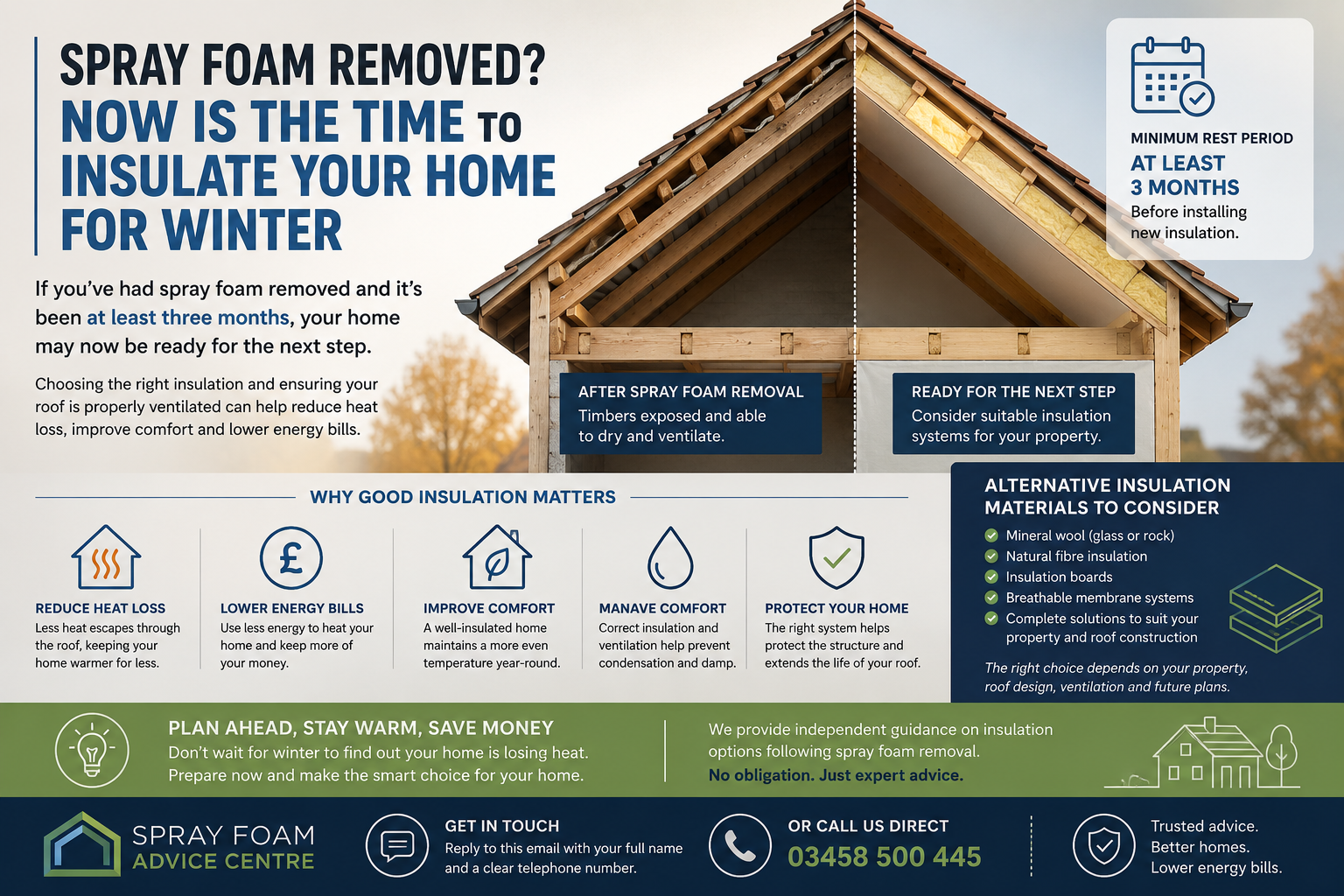
Heat rises — and without proper loft insulation, up to 25% of your heat escapes straight through the roof. Modern loft insulation solutions can dramatically reduce heat loss, improve comfort, and lower energy bills.
Ideal if:
- Your loft insulation is thin, uneven, or missing
- You have cold upstairs rooms
- Your heating system works overtime in winter
🧱 Wall Insulation (Cavity or External)
Best for: Properties with cavity walls or solid walls
Cavity wall insulation suits many homes built after the 1920s, while older solid-wall properties may benefit from external wall insulation to improve thermal performance without internal disruption.
Ideal if:
- Your walls feel cold to the touch
- You notice damp or condensation issues
- Your home is expensive to heat despite good loft insulation
🌬️ Spray Foam Insulation (Property-Specific)
Best for: Certain roof structures and modern upgrades
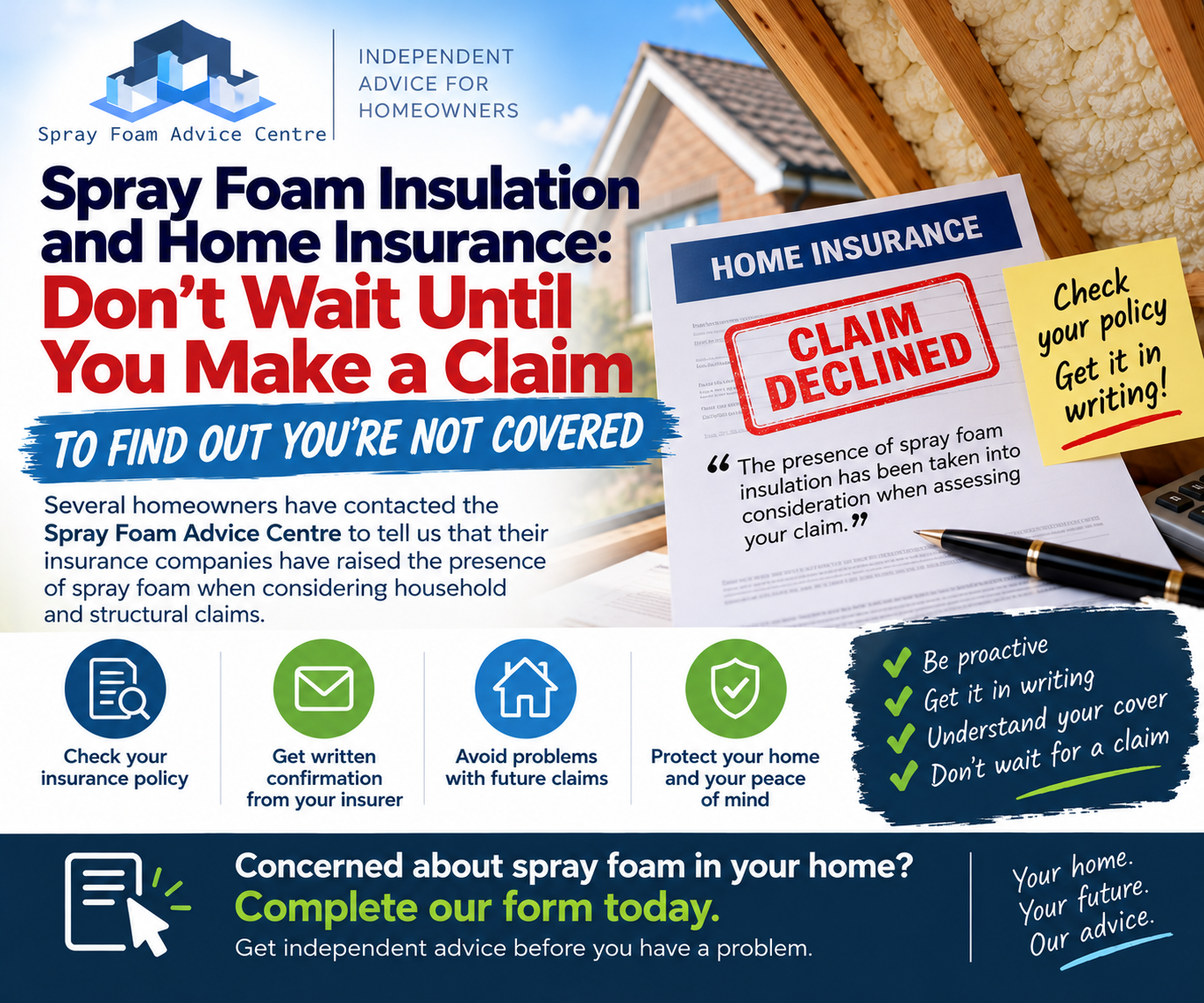
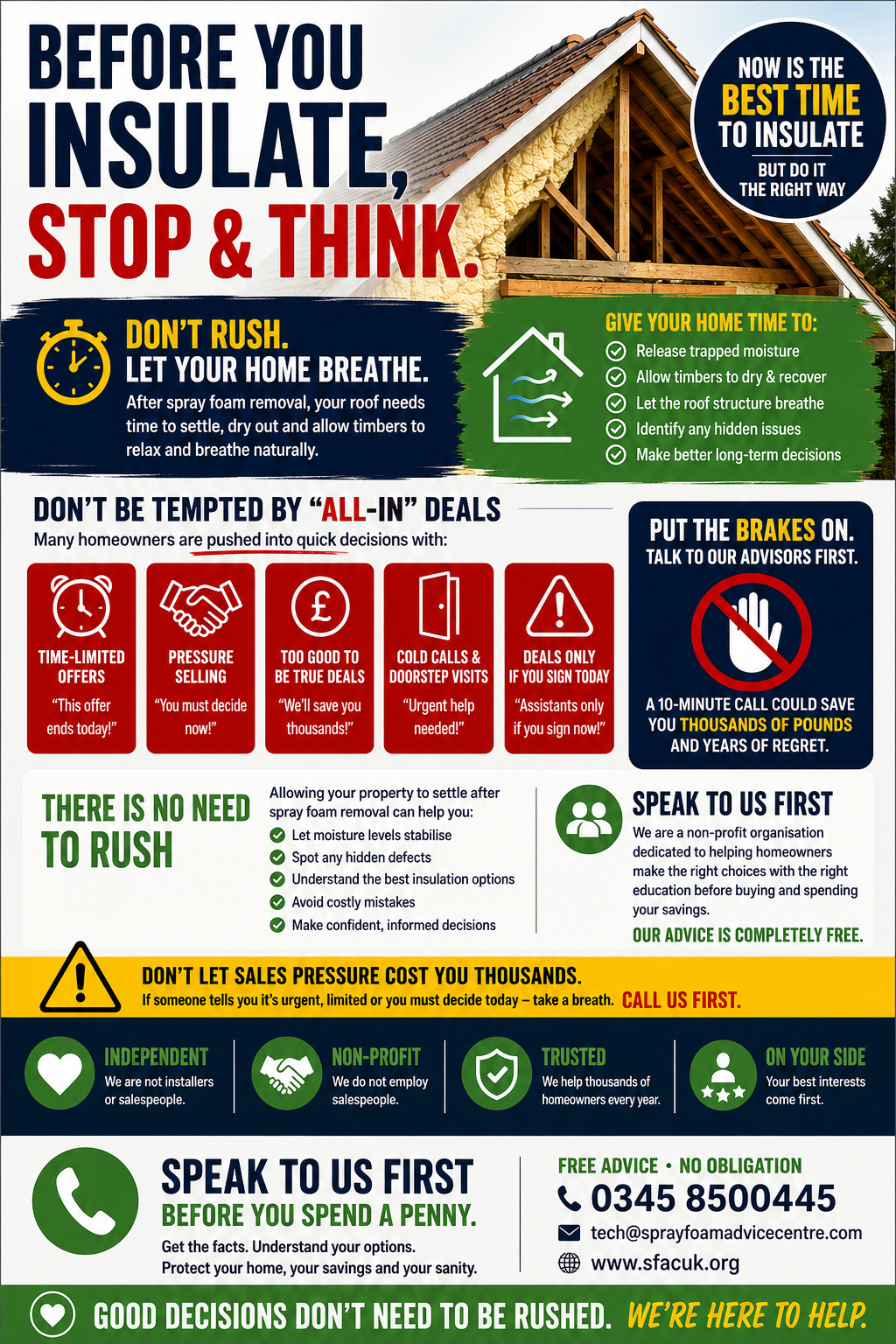
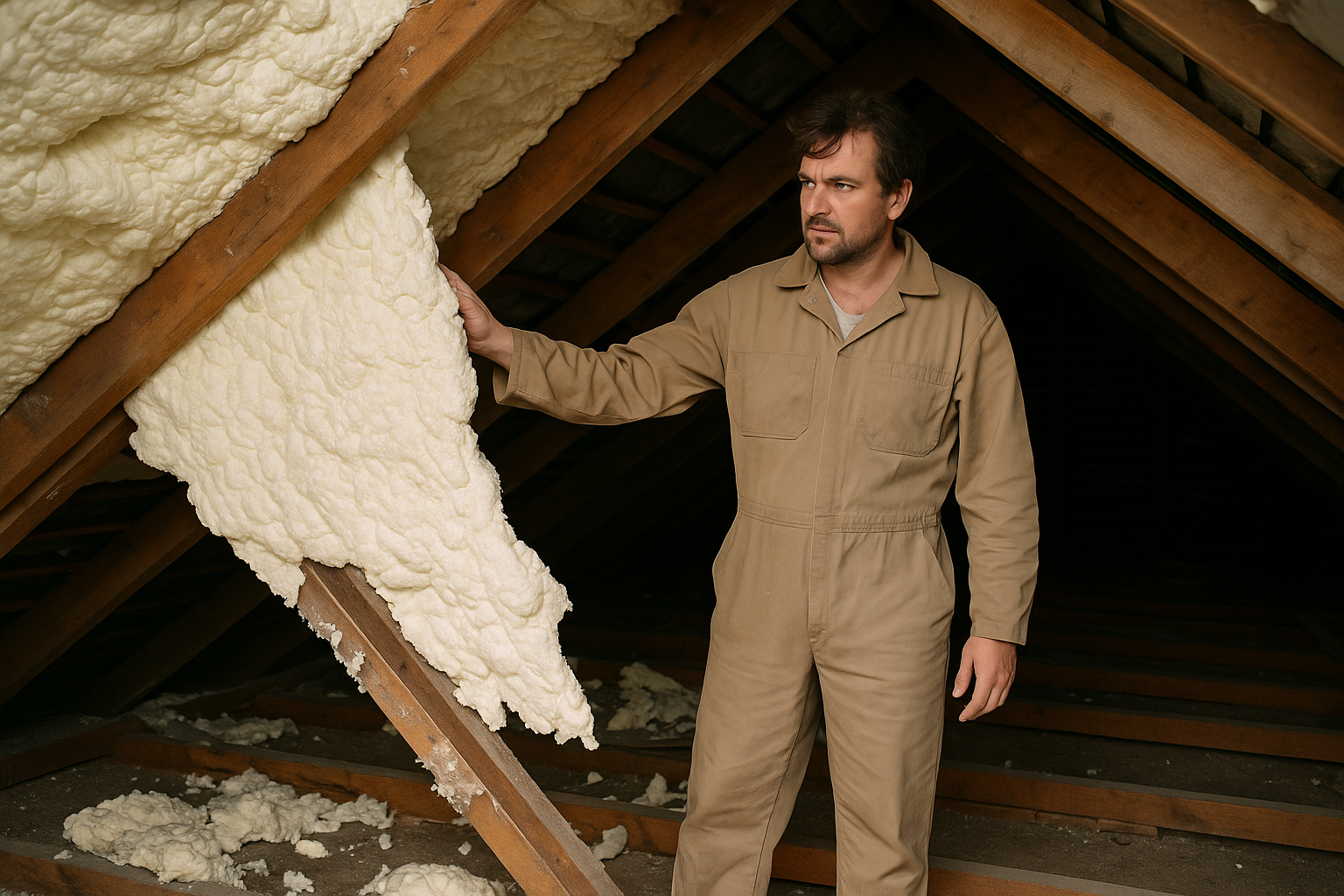
Spray foam insulation is a specialist solution — effective in the right setting but not suitable for every home. Correct assessment is essential, as inappropriate installation can cause problems.
Ideal if:
- Your property has been professionally assessed
- You’re upgrading a roof or difficult-to-insulate space
- Ventilation and moisture control are properly addressed
(This is exactly why expert advice matters.)
🪵 Underfloor Insulation
Best for: Homes with suspended timber floors
Cold floors often mean heat loss from below. Underfloor insulation improves comfort, reduces draughts, and helps maintain stable indoor temperatures.
Ideal if:
- Ground floors feel icy in winter
- You have visible air gaps or draughts
- Your home has timber floor construction
Why Getting This Wrong Can Cost You Thousands
Installing the wrong insulation — or upgrading without a proper assessment — can lead to:
- Trapped moisture and condensation
- Reduced property value
- Poor EPC ratings
- Difficulty selling or remortgaging
- Wasted investment with little energy saving
This is why independent, property-specific advice is critical before committing to any insulation product.
The Smart Next Step: Get Expert Guidance Before You Decide
Every week, we speak to homeowners who say:
“I wish I’d checked before going ahead.”
That’s exactly why we created our no-obligation enquiry process.
By completing our short form, you allow us to:
- Understand your property type
- Identify suitable insulation options
- Flag potential risks before work begins
- Point you toward modern, compliant solutions that actually work
🔎 Ready to Find Out What Your Home Really Needs?
If you’re considering insulation — now or in the near future — don’t guess.
👉 Complete our enquiry form today and let an experienced insulation specialist review your property and guide you toward the right solution, not the most convenient one.
A warmer home, lower bills, and informed decisions all start with the right advice.
Whats Best For My Home & Family.
Share this article