Summer is by far the best season to remove spray foam insulation.
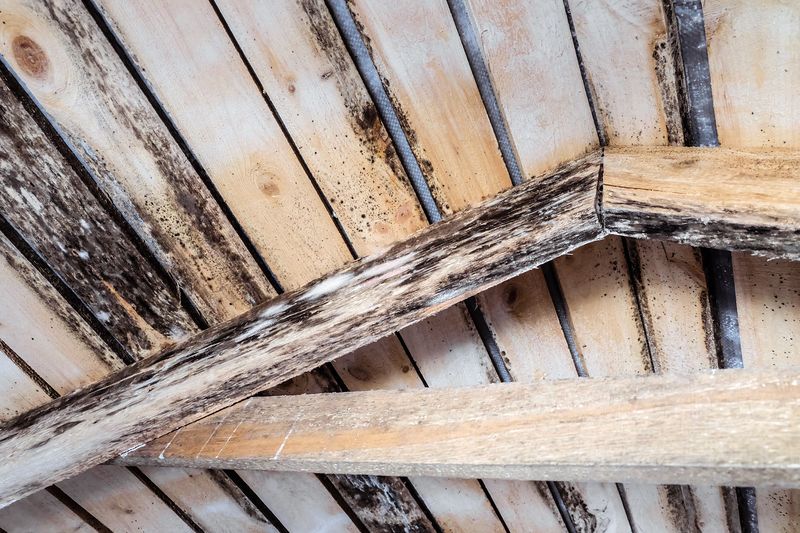
For many homeowners across the UK, spray foam insulation has become one of the most talked-about issues affecting property sales, mortgage approvals, roof health, and long-term building maintenance. While spray foam insulation was once marketed as a modern solution for improving energy efficiency, thousands of homeowners are now discovering that it can create complications that were never properly explained at the point of installation.
If you have been considering removing spray foam insulation from your loft or roof space, there is one question that comes up repeatedly:
When is the best time to remove spray foam?
At the Spray Foam Advice Centre, our answer is simple:
Summer is by far the best season to remove spray foam insulation.
Not only does warmer weather reduce concerns about temporary heat loss, but summer also gives your property the opportunity to breathe, recover, and rebalance naturally before any future insulation decisions are made.
In this article, we explain why summer offers the ideal conditions for spray foam removal, why we recommend waiting before re-insulating, and how homeowners can take advantage of increased competition among removal specialists to secure the best possible price.
Reduced Need for Insulation During Summer
The most obvious reason to remove spray foam insulation during summer is that your property simply requires less insulation.
During the colder months, homeowners understandably worry about heat escaping through the roof. However, throughout spring and summer, outdoor temperatures are significantly higher, meaning the impact of removing insulation is minimal compared with winter.
By carrying out removal work during warmer weather, homeowners can:
- Maintain comfortable indoor temperatures.
- Reduce concerns about heating costs.
- Avoid disruption during the coldest months.
- Allow roof spaces to remain naturally ventilated.
This creates a perfect window of opportunity to address spray foam issues without the pressure of winter weather approaching.
Many homeowners tell us they have delayed removal because they were concerned about being left without insulation. Summer largely removes that concern and allows the work to be completed at the most practical time of year.
Allowing the Roof Structure to Breathe Again
One of the most important benefits of removing spray foam insulation is allowing the roof structure to breathe naturally once more.
Traditional roofing systems were designed with ventilation in mind. Air movement through the roof space helps regulate moisture levels and allows timber components to dry naturally.
When spray foam insulation is applied directly to roof tiles, felt, rafters, and timbers, it can significantly alter the way a roof performs.
Following removal, many homeowners are surprised by how much healthier their roof space appears over the following months.
The summer period provides ideal drying conditions because:
- Ambient temperatures are higher.
- Relative humidity is often lower.
- Ventilation is naturally improved.
- Roof structures receive greater airflow.
These conditions help the roof recover after years of being enclosed beneath foam insulation.
At the Spray Foam Advice Centre, we regularly advise homeowners that the removal process is only the first step. The roof should then be given time to settle and breathe before any major insulation decisions are made.
Why We Recommend Waiting Before Re-Insulating
One of the biggest mistakes homeowners can make is rushing immediately into installing replacement insulation.
Many insulation companies will naturally want to complete both removal and re-insulation at the same time. However, our independent advice remains consistent:
We generally recommend waiting at least six months after spray foam removal before installing new insulation.
Why?
Because every property reacts differently once the foam has been removed.
During this recovery period:
- Moisture levels can stabilise.
- Timbers can dry naturally.
- Ventilation patterns can be assessed.
- Roofing components can be inspected properly.
- Any hidden issues become easier to identify.
This breathing period allows surveyors and homeowners to gain a clearer understanding of the property's true condition.
Think of it as giving the building an opportunity to reset.
Many properties have had spray foam installed for years. Once removed, the roof needs time to return to its natural operating condition before further changes are introduced.
Every Property is Different
One of the reasons we do not promote a "one size fits all" insulation solution is because every home is unique.
Factors that influence insulation recommendations include:
- Property age.
- Roof design.
- Loft configuration.
- Existing ventilation.
- Local climate conditions.
- Occupancy levels.
- Mortgage requirements.
- Future property sale plans.
A Victorian cottage may require a completely different insulation strategy compared to a modern detached home.
This is why the Spray Foam Advice Centre focuses on providing independent guidance after removal rather than pushing a specific insulation product.
Our role is to help homeowners understand their options and choose the most suitable insulation system for their particular property.
Summer Creates the Perfect Assessment Period
Once spray foam has been removed, summer offers an excellent opportunity to observe how the property performs naturally.
Homeowners can assess:
- Loft temperatures.
- Ventilation effectiveness.
- Moisture levels.
- Condensation risks.
- Timber condition.
This information becomes invaluable when deciding how best to insulate the property moving forward.
Rather than rushing into another major installation project, homeowners can make informed decisions based on real-world observations.
This often leads to better outcomes and more cost-effective insulation solutions in the long term.
Removal Costs Are Often Lower During Summer
Another major advantage of summer removal is cost.
Many homeowners are unaware that the insulation industry experiences seasonal fluctuations.
During colder months, demand for insulation-related services typically increases as homeowners focus on reducing heating costs.
In contrast, summer can be a quieter period for some removal and insulation contractors.
This creates a more competitive marketplace.
As a result:
- Contractors may have greater availability.
- Lead times can be shorter.
- Quotations can become more competitive.
- Homeowners may have stronger negotiating power.
Simply put, companies are often more willing to compete for work when demand is lower.
For homeowners, that can translate into significant savings.
Why Obtaining Multiple Quotes Matters
One of the biggest mistakes homeowners make is accepting the first quote they receive.
Spray foam removal is a specialist service and pricing can vary dramatically between contractors.
We regularly see differences of thousands of pounds between quotations for the same property.
This is why the Spray Foam Advice Centre strongly recommends obtaining multiple independent quotations.
By comparing several reputable contractors, homeowners can:
- Understand realistic market pricing.
- Compare removal methods.
- Assess contractor experience.
- Review insurance coverage.
- Evaluate guarantees and aftercare.
Most importantly, they avoid paying more than necessary.
How the Spray Foam Advice Centre Helps
Many homeowners feel overwhelmed when they begin researching spray foam removal.
Questions quickly arise:
- Which company can be trusted?
- What is a reasonable price?
- Which removal method is best?
- When should re-insulation take place?
- What insulation should be installed afterwards?
This is where the Spray Foam Advice Centre can help.
We work with homeowners to:
- Explain available options.
- Provide independent guidance.
- Help obtain multiple quotations.
- Compare contractors.
- Identify reputable specialists.
- Support informed decision-making.
Our goal is not to sell insulation.
Our goal is to help homeowners make the right decision for their property.
Protecting Future Property Sales
One of the most common reasons homeowners remove spray foam is to avoid future complications when selling their property.
Mortgage lenders, surveyors, and buyers increasingly scrutinise properties containing spray foam insulation.
Removing the foam now can help homeowners:
- Improve marketability.
- Reduce survey concerns.
- Avoid delays during sales.
- Increase buyer confidence.
- Simplify mortgage applications.
By choosing summer for removal, homeowners can complete the process well before placing a property on the market.
This allows plenty of time for the roof structure to stabilise and for any additional recommendations to be addressed.
Planning Ahead Rather Than Reacting Later
Many homeowners only begin investigating spray foam removal when a survey raises concerns during a property sale.
Unfortunately, by this stage, time pressures can limit options and increase costs.
Summer presents an opportunity to be proactive rather than reactive.
Removing spray foam before problems arise can:
- Reduce future stress.
- Increase flexibility.
- Allow better contractor selection.
- Create more time for inspections.
- Improve negotiating power.
The earlier the process begins, the more control homeowners typically have over outcomes.
The Bottom Line
If you have been considering spray foam removal, summer is arguably the best time of year to act.
Warmer weather means your property requires less insulation, allowing removal work to be completed with minimal impact on comfort levels.
The season also gives your roof space an opportunity to breathe naturally and recover following the removal process.
At the Spray Foam Advice Centre, we generally recommend allowing at least six months before re-insulating, giving the property time to stabilise and enabling homeowners to make informed decisions about future insulation options.
Summer can also offer financial advantages, with increased competition among contractors often resulting in more competitive pricing.
Most importantly, homeowners who act now have the opportunity to plan carefully, obtain multiple quotations, and secure the most suitable solution for their property.
If you are considering spray foam removal, the Spray Foam Advice Centre can help you obtain multiple quotations, compare reputable contractors, and understand the options available for your home.
The right advice today could save thousands of pounds tomorrow.
Share this article