Is Your Old Insulation Still On The Floor?

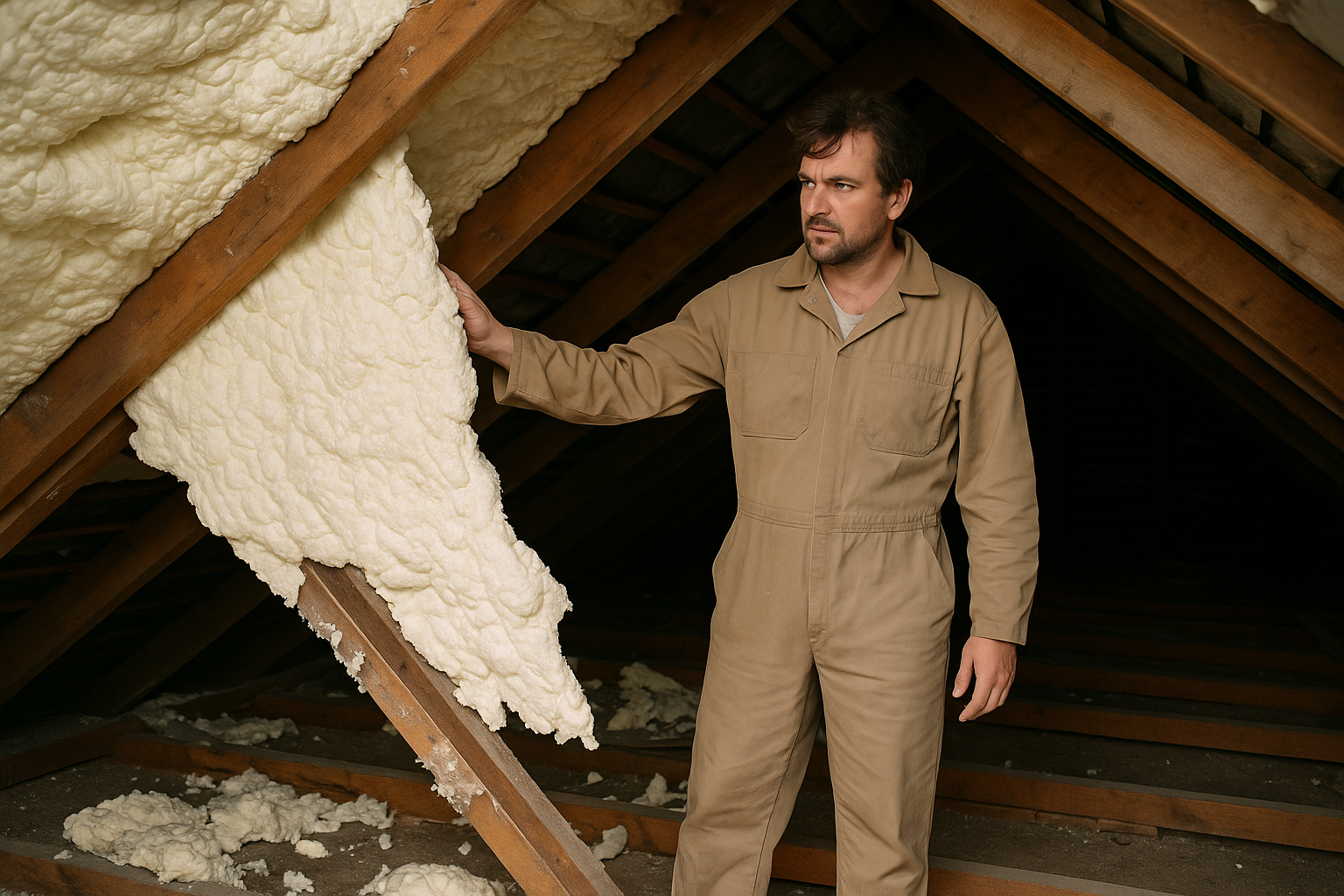
Rogue Traders Leave The Old Insulation Down.
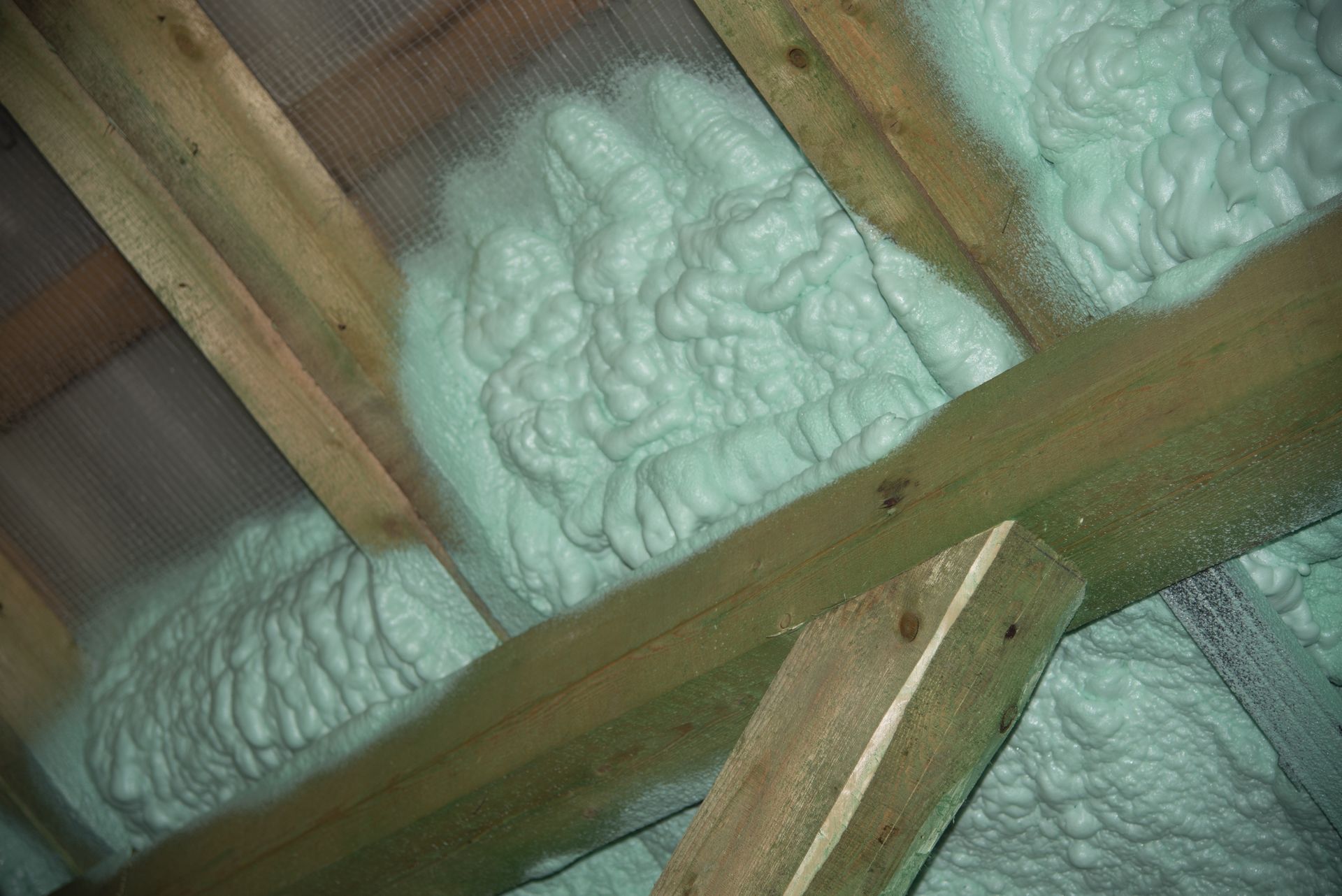
Spray Foam Removal Advice

The Dangers of Rogue Traders: Proper Installation of Spray Foam Insulation


Insulating your home properly is essential for energy efficiency and overall comfort. Unfortunately, rogue traders often take shortcuts that can lead to serious problems, particularly when it comes to spray foam insulation. One alarming practice is the installation of spray foam over existing old insulation materials, which can create dire consequences for your home and health.

The Problem with Old Insulation


Leaving old insulation in place when applying spray foam is a significant oversight. Existing insulation, especially if it’s outdated or damaged, can trap moisture, dust, and pollutants. When spray foam is simply applied over it, the old insulation becomes a hidden reservoir for condensation, creating what I can only describe as a “condensation pit of hell.” This situation breeds not only bacteria but also mold, which can lead to severe health risks for homeowners.

Why It’s a Recipe for Disaster

  1. Moisture Trapping: Old insulation that is damp or has absorbed moisture will not dry out once spray foam is applied on top of it. This moisture becomes trapped, creating an environment conducive to mildew and mold growth.
  2. Poor Air Quality: Bacteria and mold release spores into the air, significantly diminishing indoor air quality. This can lead to respiratory issues, allergies, and other health problems for the occupants of the home.
  3. Inadequate Insulation Performance: Spray foam is designed to provide an airtight seal and high thermal performance. However, if poorly installed over old materials, it cannot function effectively. The combination of materials can lead to uneven insulation properties and cold spots, resulting in higher energy bills and discomfort.
  4. Neglected Structural Integrity: Rogue traders often spray foam insulation over electrical cables, pipes, and rafters without regard for proper installation techniques. This not only creates a safety hazard but can also lead to condensation forming on these surfaces, increasing the risk of water damage to the home’s structure over time.


The Quick Fix Fallacy


One of the most troubling aspects of rogue traders is their promise of a quick, cheap solution. They often market their services as quick jobs that can be completed in just a few hours. However, taking such shortcuts can lead to long-term consequences that far outweigh any immediate savings or convenience. Quick fixes become costly headaches.


How Can It Ever Work?


The simple answer is that it often doesn’t work. When old insulation is left in place, it undermines the integrity of the spray foam application. Here's why:

  • Compromised Insulation Value: The thermal performance of new spray foam will be hampered by the old insulation it sits atop. The old material can conduct heat differently, reducing the effectiveness of the new insulation.
  • Hindered Moisture Control: If the old insulation is hygroscopic (absorbs moisture), it will actively draw moisture from the air and the surfaces around it. This moisture can accumulate, leading to condensation that gets sealed underneath the spray foam.
  • Safety Concerns: Covering up cables and pipes without proper care can lead to overheating or blockage, creating potential fire hazards and plumbing issues in the future.


Protecting Yourself from Rogue Traders


To avoid the pitfalls associated with rogue traders, it’s essential to do your homework. Here are some tips for homeowners:

  1. Work with Reputable Contractors: Only hire licensed, certified insulation professionals. Check reviews and ask for references to ensure you are working with a trustworthy company.
  2. Get a Thorough Inspection: Before any insulation work begins, have a complete assessment of your existing insulation. A good contractor will not only remove any old, damaged insulation but also evaluate moisture issues or structural concerns.
  3. Ask About Installation Practices: Don’t hesitate to ask potential contractors about their methods. Good practices include the removal of old insulation and ensuring that electrical components and plumbing are appropriately accessible and protected during installation.
  4. Invest in Quality Materials: Understand the importance of using high-quality spray foam and breathable membranes for optimal performance and moisture control.


Conclusion


While proper insulation is vital for a comfortable living environment, the practice of installing spray foam insulation over old materials is fraught with danger, particularly when shortcuts are taken by rogue traders. Homeowners must be vigilant, ensuring they hire reputable professionals and prioritize the removal of outdated insulation. By understanding the risks and investing in proper techniques, you can create a safe, healthy, and energy-efficient home for years to come.


Share this article

June 4, 2026
Summer is by far the best season to remove spray foam insulation.
May 19, 2026
As the spray foam insulation crisis continues to affect homeowners across the UK, many people are only now discovering that they may have important legal protection under Section 75 of the Consumer Credit Act 1974. For some homeowners, this protection could prove financially life-changing. Why? Because if even part of the original spray foam installation was paid for using a credit card, homeowners may have the right to pursue claims not only for the installation itself — but potentially for associated losses, including costly removal work. At a time when many families are facing failed mortgage applications, equity release refusals, and expensive remediation bills, understanding Section 75 has become critically important. What Is Section 75? Section 75 of the Consumer Credit Act is a UK consumer protection law that makes credit card providers jointly liable for breaches of contract or misrepresentation by a retailer or service provider. In simple terms: If a company sold a product or service under misleading circumstances, and part of the payment was made using a credit card, the credit card company can also be held responsible. This protection applies even if: The company has ceased trading The installer refuses to help The warranty is worthless The homeowner only paid a deposit on the credit card Many consumers wrongly believe the entire balance must have been paid by credit card. That is not true. In many cases, paying just the initial deposit or first payment via credit card may be enough to trigger Section 75 protection. Why This Matters for Spray Foam Insulation Thousands of homeowners claim they were sold spray foam insulation without proper warnings about: Mortgage restrictions Lending refusals Future saleability concerns Ventilation risks Timber inspection limitations Potential removal costs Many homeowners state they were assured: “Mortgage lenders have no issue.” “The product is fully approved everywhere.” “It adds value to your home.” “It is completely safe for future buyers.” Years later, some are discovering: Their property is down-valued Equity release applications are declined Buyers cannot obtain mortgages Surveyors are flagging the roof structure Removal costs can exceed tens of thousands of pounds This is where Section 75 may become highly significant. Removal Costs May Also Form Part of a Claim One of the most important points homeowners should understand is this: Potential claims may not be limited solely to the original installation cost. If the product was misrepresented or sold without proper disclosure of foreseeable consequences, consequential losses may also be considered. This can include: Spray foam removal costs Roof timber inspection costs Surveyor reports Associated remedial works Financial losses linked to failed transactions Every claim is fact-specific, and outcomes vary, but legal and financial experts increasingly recognise that removal costs may form a substantial part of consumer claims where remediation becomes necessary to restore mortgageability. For homeowners now facing enormous removal bills simply to sell or refinance their homes, this aspect of Section 75 could be critical. The Key Requirement Many People Do Not Realise To qualify for Section 75 protection, one of the most important conditions is that at least part of the transaction must have been made directly using qualifying credit. In many spray foam cases, homeowners paid: The initial deposit by credit card Follow-up balances via bank transfer Finance agreements Debit cards Or cash The crucial point is this: If the first payment or deposit was made on a qualifying credit card, protection may still apply for the full contract value — not merely the deposit amount. This is one of the most misunderstood areas of consumer law. Homeowners Should Gather Evidence Immediately If you believe your property may be affected, it is important to begin collecting documentation as early as possible. Useful evidence may include: Original invoices Credit card statements Finance agreements Installation contracts Sales brochures Emails and WhatsApp messages Mortgage refusal letters Surveyor reports Removal quotations Guarantees and warranties Advertising claims made at the time of sale The stronger the documentary trail, the stronger the potential claim position may become. Time Is Important Many homeowners delay taking action because they assume: “Nothing can be done.” “The installer has disappeared.” “The warranty is useless.” “The problem is too old.” However, Section 75 protections can sometimes extend far beyond standard warranty periods. Each situation depends on individual facts, dates, and legal considerations, but homeowners should not automatically assume they have no options available. Awareness Could Save Homeowners Thousands For many families, spray foam insulation has become far more than an insulation issue. It has become: A lending issue A property value issue A retirement issue And in some cases, a financial survival issue Understanding Section 75 may offer an important pathway for homeowners facing unexpected financial harm linked to spray foam installations. The key message is simple: If you paid even part of the installation using a credit card, you may have more rights than you realise. Important Consumer Note This article is for general awareness only and does not constitute legal advice. Individual circumstances vary, and homeowners should seek independent legal and financial guidance regarding any potential claim. About The Spray Foam Advice Centre Spray Foam Advice Centre provides independent consumer awareness and guidance regarding spray foam insulation, mortgage concerns, remediation pathways, and homeowner support across the UK.
March 19, 2026
🚨 URGENT WARNING -COLD CALLS & DATA MISUSE ALERT 🚨
March 10, 2026
The Spray Foam Advice Centre Expands Support Across the UK
March 10, 2026
Cold Callers Targeting Spray Foam Insulation – What You Need to Know
February 24, 2026
Why “Too Good To Be True” Home Improvement Offers Usually Start With One Thing — A Phone Call
February 4, 2026
Recent announcements from the UK Government have focused heavily on new eco-home initiatives aimed at reducing household energy bills. These updates place particular emphasis on heat pumps, alternative heating technologies, and electricity-saving measures .
February 4, 2026
At the Spray Foam Advice Centre , one of the most worrying trends we are currently seeing is the growing number of homeowners who accepted very low, unrealistic quotes for spray foam insulation removal — only to find themselves facing major and unexpected roof repairs halfway through the job .
January 21, 2026
What Type of Insulation Does Your Property Really Need? By Adam Gough – Insulation & Home Improvements Expert