Spray Foam Removal

Approach Your Spray Foam Installer

Spray Foam Removal problems.

Approach Your Spray Foam Installer About Removing Foam Insulation


As a spray foam insulation expert from the Spray Foam Advice Centre, I understand that there may be times when a homeowner needs to address concerns about the spray foam insulation installed in their property. Whether it's due to improper installation, health concerns, or changes in building regulations, knowing how to approach your installer is crucial for achieving a satisfactory resolution. Here is some advice on how to effectively communicate with your installer about removing spray foam insulation.


1. Prepare Your Documentation


Before reaching out to your installer, gather all relevant documentation related to the installation:

  • Contracts and Agreements: Review any contracts you have with the installer to understand the scope of work and any warranties or guarantees offered.
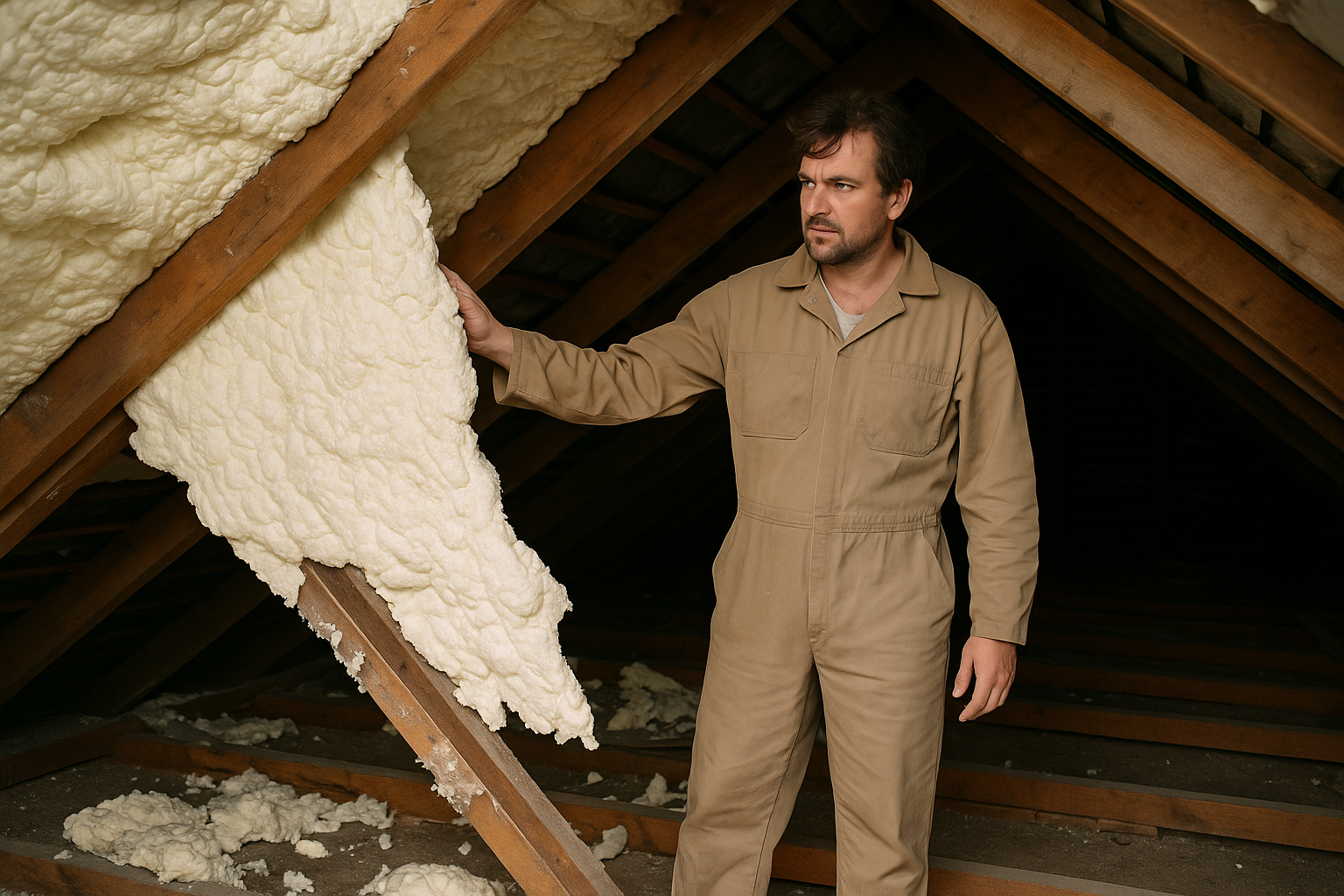
  • Photos and Evidence: If possible, take photos of the installation and any areas of concern. This visual documentation can help articulate your issues more clearly.
  • Health and Safety Reports: If there are any health or safety concerns linked to the insulation—such as off-gassing, allergic reactions, or moisture issues—document these as well.


2. Research the Installer's Policies


Different installers may have varying policies regarding the removal and remediation of spray foam insulation. Review their website, any customer service information you have, or even call them to inquire about their procedures related to removal if it’s not explicitly stated.


3. Schedule a Meeting


Initiating a conversation in a respectful and professional manner sets the right tone. Instead of confronting the installer unexpectedly, request a meeting or phone call. This allows for a focused discussion without interruptions:

  • Be Clear About Your Intent: Let them know you would like to discuss your spray foam insulation concerns. This shows respect for their time and helps them prepare for the conversation.
  • Choose the Right Time: Aim for a time when the installer is likely to be less busy, allowing for a more productive discussion.


4. Communicate Your Concerns Clearly


When you meet with your installer, approach the conversation with a clear and calm demeanor. Here’s how you can structure your discussion:

  • Start with Appreciation: Begin the conversation by acknowledging their work. For example, “I appreciate the effort that went into the installation; however, I have some concerns that I’d like to discuss.”
  • State Your Concerns: Clearly outline the reasons you believe removal is necessary. Use the documentation you prepared to support your claims. For instance, you might say, “I’ve noticed that there are areas where the foam seems to have issues with adhesion, and I’m concerned about moisture buildup.”
  • Listen to Their Perspective: Allow the installer to share their viewpoint and insights regarding the installation. They may be able to address your concerns or provide explanations that could change your perspective.


5. Discuss Options for Removal


Once your concerns are on the table, it’s important to explore the next steps together:

  • Ask About Removal Processes: Inquire if they have a standard procedure for removing spray foam insulation and what that entails, including potential costs and timelines.
  • Discuss Repair Options: If removal is necessary, discuss what repairs or re-insulation services they offer after the foam is removed. It’s essential to understand the full scope of work needed to rectify the situation.


6. Get Everything in Writing


If you reach an agreement with the installer regarding the removal and any subsequent work, ask for written confirmation that outlines the agreed-upon actions, timelines, and costs. This helps ensure accountability and provides a clear reference point for both parties.


7. Follow Up


After your meeting, follow up with an email thanking the installer for their time and reiterating your discussion points. This helps maintain a professional relationship and ensures everyone is on the same page.


Conclusion


Approaching a spray foam insulation installer about removing insulation can be a sensitive matter, but with proper preparation and respectful communication, it can lead to a positive outcome. Remember to remain patient and open-minded throughout the process, as effective communication is key to resolving installation concerns. If you find that your concerns aren’t addressed satisfactorily, consider seeking advice from industry professionals or consulting with relevant regulatory bodies for further assistance.


At the Spray Foam Advice Centre, we understand that navigating insulation issues can be daunting. Our team is available to visit your home and provide expert guidance tailored to your specific situation. We can help you assess the installation, prepare detailed documentation, and create a comprehensive report outlining your concerns. This support ensures that you are well-equipped to discuss your issues with the installer confidently and effectively, ultimately leading to a resolution that meets your needs. Reach out to the Spray Foam Advice Centre today to schedule your consultation and take the first step towards addressing your spray foam insulation concern.


By,

Adam Gough - Spray Foam Advice Centre


Share this article

May 19, 2026
As the spray foam insulation crisis continues to affect homeowners across the UK, many people are only now discovering that they may have important legal protection under Section 75 of the Consumer Credit Act 1974. For some homeowners, this protection could prove financially life-changing. Why? Because if even part of the original spray foam installation was paid for using a credit card, homeowners may have the right to pursue claims not only for the installation itself — but potentially for associated losses, including costly removal work. At a time when many families are facing failed mortgage applications, equity release refusals, and expensive remediation bills, understanding Section 75 has become critically important. What Is Section 75? Section 75 of the Consumer Credit Act is a UK consumer protection law that makes credit card providers jointly liable for breaches of contract or misrepresentation by a retailer or service provider. In simple terms: If a company sold a product or service under misleading circumstances, and part of the payment was made using a credit card, the credit card company can also be held responsible. This protection applies even if: The company has ceased trading The installer refuses to help The warranty is worthless The homeowner only paid a deposit on the credit card Many consumers wrongly believe the entire balance must have been paid by credit card. That is not true. In many cases, paying just the initial deposit or first payment via credit card may be enough to trigger Section 75 protection. Why This Matters for Spray Foam Insulation Thousands of homeowners claim they were sold spray foam insulation without proper warnings about: Mortgage restrictions Lending refusals Future saleability concerns Ventilation risks Timber inspection limitations Potential removal costs Many homeowners state they were assured: “Mortgage lenders have no issue.” “The product is fully approved everywhere.” “It adds value to your home.” “It is completely safe for future buyers.” Years later, some are discovering: Their property is down-valued Equity release applications are declined Buyers cannot obtain mortgages Surveyors are flagging the roof structure Removal costs can exceed tens of thousands of pounds This is where Section 75 may become highly significant. Removal Costs May Also Form Part of a Claim One of the most important points homeowners should understand is this: Potential claims may not be limited solely to the original installation cost. If the product was misrepresented or sold without proper disclosure of foreseeable consequences, consequential losses may also be considered. This can include: Spray foam removal costs Roof timber inspection costs Surveyor reports Associated remedial works Financial losses linked to failed transactions Every claim is fact-specific, and outcomes vary, but legal and financial experts increasingly recognise that removal costs may form a substantial part of consumer claims where remediation becomes necessary to restore mortgageability. For homeowners now facing enormous removal bills simply to sell or refinance their homes, this aspect of Section 75 could be critical. The Key Requirement Many People Do Not Realise To qualify for Section 75 protection, one of the most important conditions is that at least part of the transaction must have been made directly using qualifying credit. In many spray foam cases, homeowners paid: The initial deposit by credit card Follow-up balances via bank transfer Finance agreements Debit cards Or cash The crucial point is this: If the first payment or deposit was made on a qualifying credit card, protection may still apply for the full contract value — not merely the deposit amount. This is one of the most misunderstood areas of consumer law. Homeowners Should Gather Evidence Immediately If you believe your property may be affected, it is important to begin collecting documentation as early as possible. Useful evidence may include: Original invoices Credit card statements Finance agreements Installation contracts Sales brochures Emails and WhatsApp messages Mortgage refusal letters Surveyor reports Removal quotations Guarantees and warranties Advertising claims made at the time of sale The stronger the documentary trail, the stronger the potential claim position may become. Time Is Important Many homeowners delay taking action because they assume: “Nothing can be done.” “The installer has disappeared.” “The warranty is useless.” “The problem is too old.” However, Section 75 protections can sometimes extend far beyond standard warranty periods. Each situation depends on individual facts, dates, and legal considerations, but homeowners should not automatically assume they have no options available. Awareness Could Save Homeowners Thousands For many families, spray foam insulation has become far more than an insulation issue. It has become: A lending issue A property value issue A retirement issue And in some cases, a financial survival issue Understanding Section 75 may offer an important pathway for homeowners facing unexpected financial harm linked to spray foam installations. The key message is simple: If you paid even part of the installation using a credit card, you may have more rights than you realise. Important Consumer Note This article is for general awareness only and does not constitute legal advice. Individual circumstances vary, and homeowners should seek independent legal and financial guidance regarding any potential claim. About The Spray Foam Advice Centre Spray Foam Advice Centre provides independent consumer awareness and guidance regarding spray foam insulation, mortgage concerns, remediation pathways, and homeowner support across the UK.
March 19, 2026
🚨 URGENT WARNING -COLD CALLS & DATA MISUSE ALERT 🚨
March 10, 2026
The Spray Foam Advice Centre Expands Support Across the UK
March 10, 2026
Cold Callers Targeting Spray Foam Insulation – What You Need to Know
February 24, 2026
Why “Too Good To Be True” Home Improvement Offers Usually Start With One Thing — A Phone Call
February 4, 2026
Recent announcements from the UK Government have focused heavily on new eco-home initiatives aimed at reducing household energy bills. These updates place particular emphasis on heat pumps, alternative heating technologies, and electricity-saving measures .
February 4, 2026
At the Spray Foam Advice Centre , one of the most worrying trends we are currently seeing is the growing number of homeowners who accepted very low, unrealistic quotes for spray foam insulation removal — only to find themselves facing major and unexpected roof repairs halfway through the job .
January 21, 2026
What Type of Insulation Does Your Property Really Need? By Adam Gough – Insulation & Home Improvements Expert
November 19, 2025
Staying Warm After Spray Foam Removal: Essential Winter Advice While Your Home Recovers